Global Conflict Is Becoming a Shared-System Risk
Licences, insurance, supplier dependence, allocation rules and financing conditions can transmit conflict into the economy before infrastructure is destroyed.
UFOQ.AI intelligence archive
Original, evidence-led research connecting geopolitical events, economic shifts, infrastructure dependencies, and supply-chain signals to the decisions they can change.
Licences, insurance, supplier dependence, allocation rules and financing conditions can transmit conflict into the economy before infrastructure is destroyed.
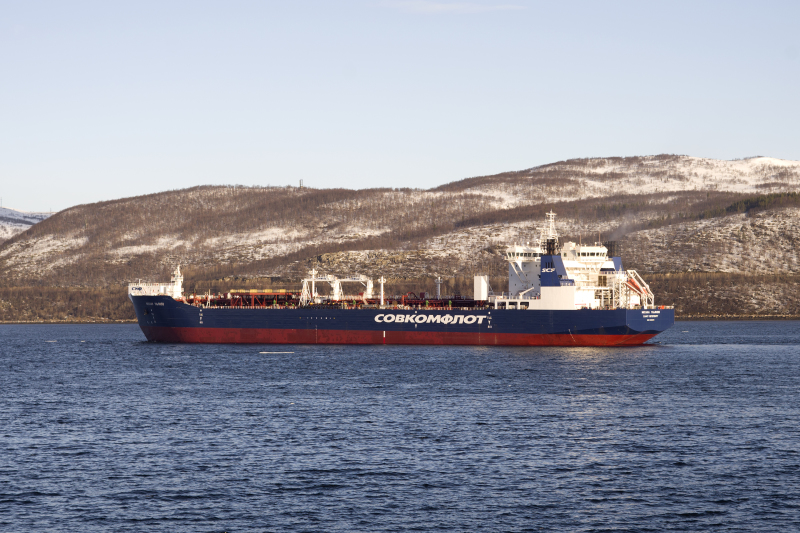
The law turns access to the US market into leverage over Russia's largest energy customers, but its success depends on reducing Moscow's net revenue without driving oil prices and American import costs high enough to offset the pressure.
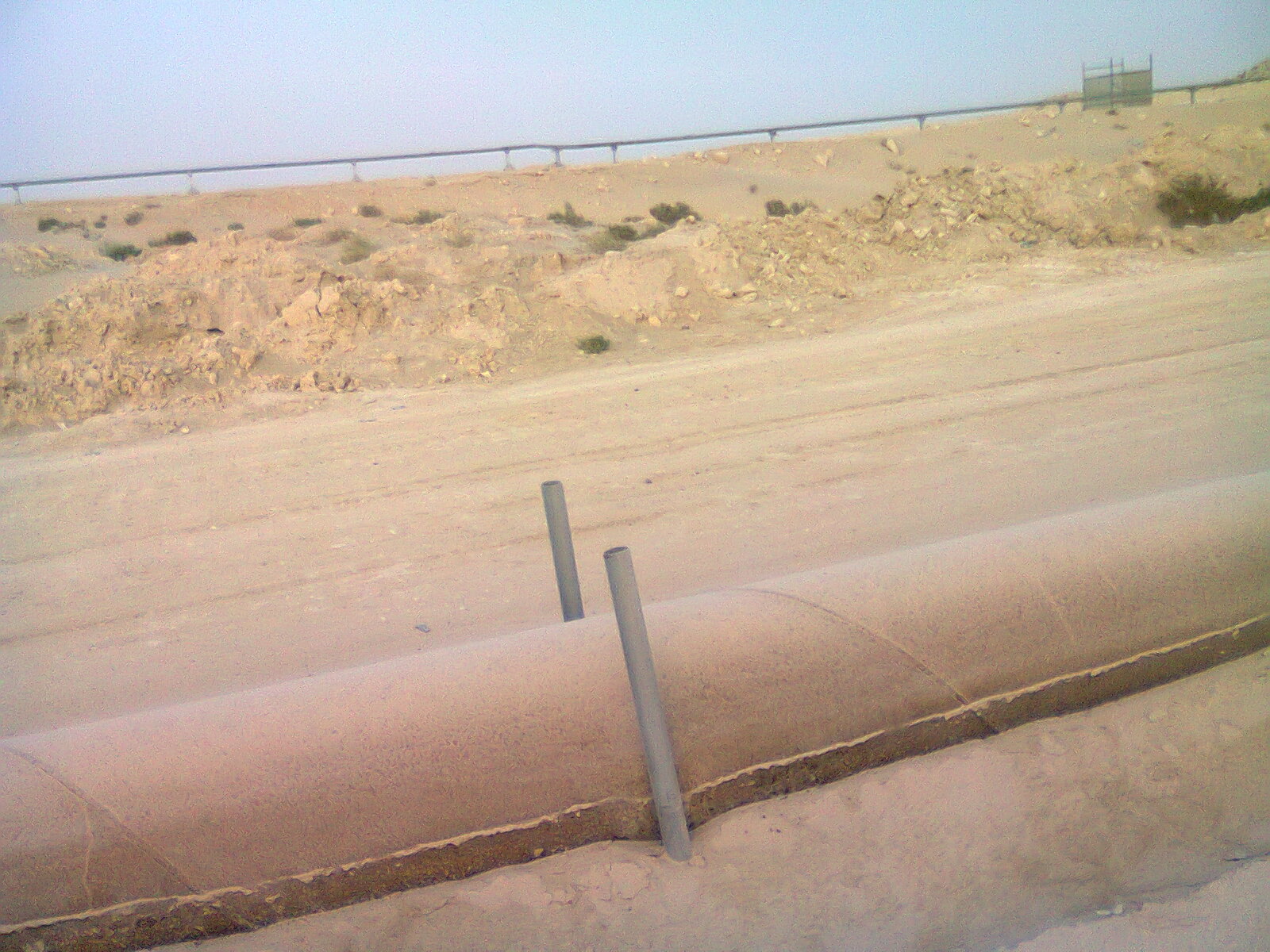
Oil above $100 looks like good news for Gulf producers. It is not, because they can move only about half their usual exports while the rest of the world pays more for fuel, credit and everything shipped.
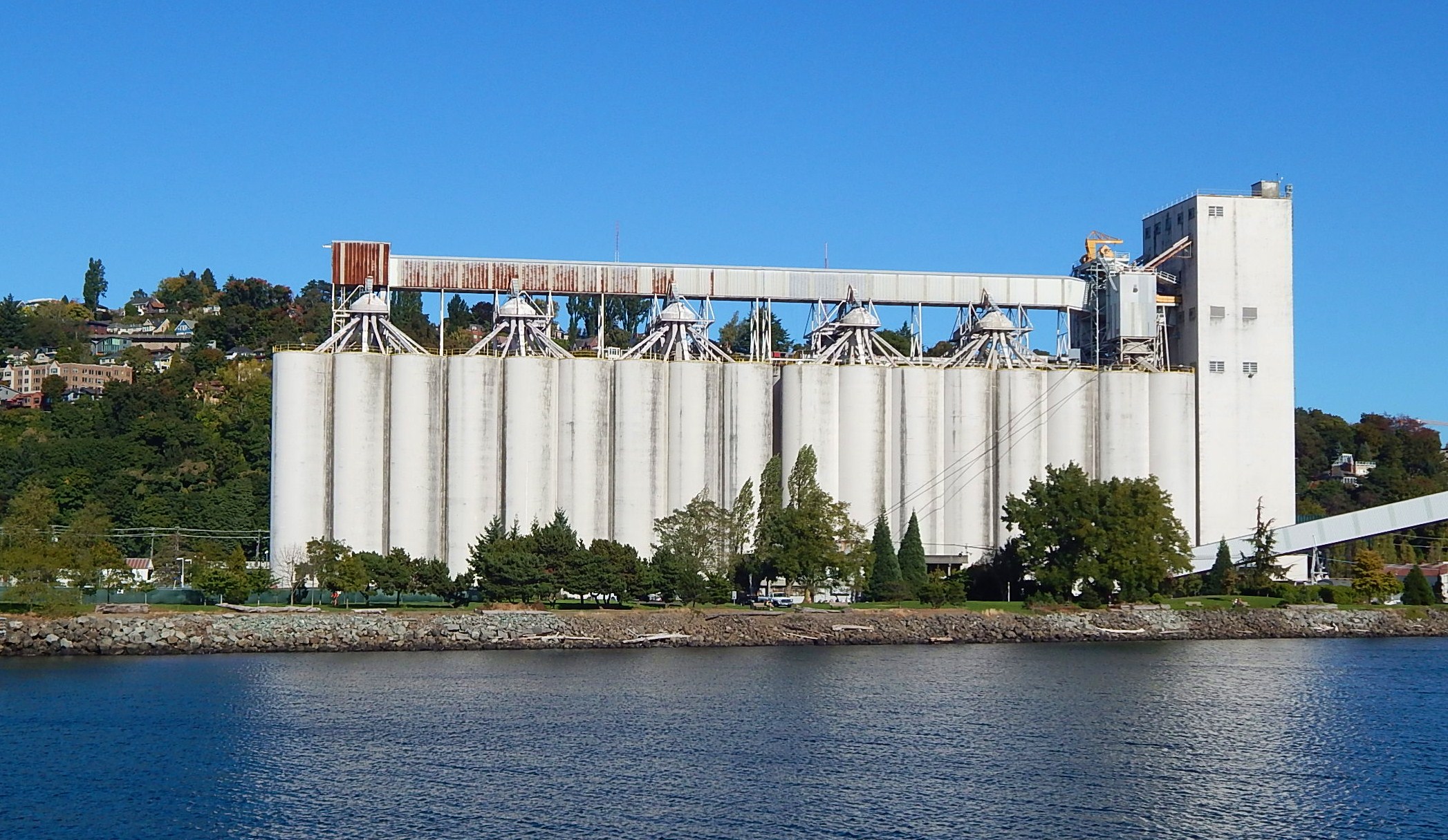
A weaker harvest increases import financing through additional volume, higher landed prices and foreign-currency demand, but required imports can exceed what a country can actually finance.
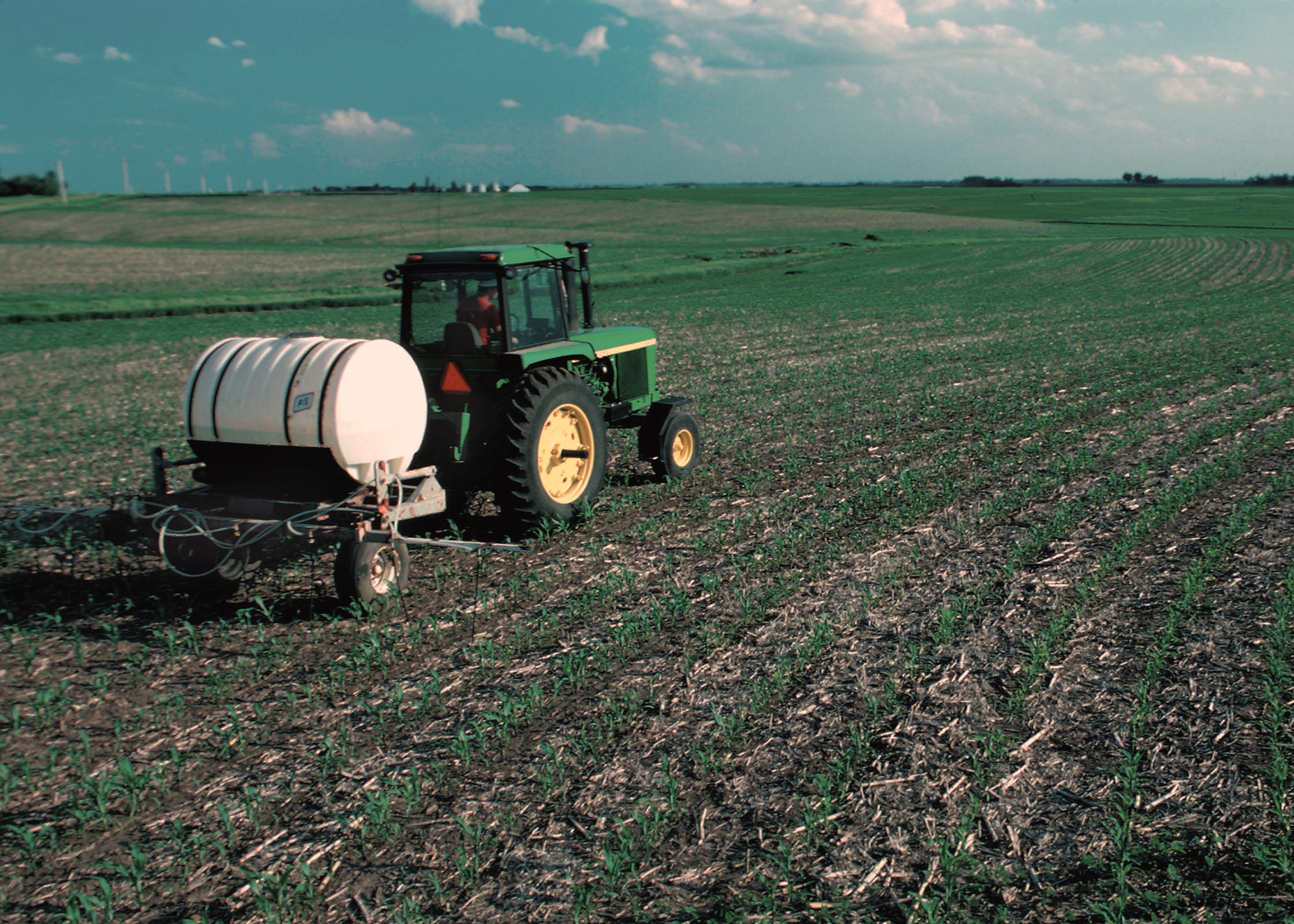
The immediate fuel bill is visible, but nitrogen fertiliser and the farmer's response determine the larger and more persistent change in agricultural production cost.
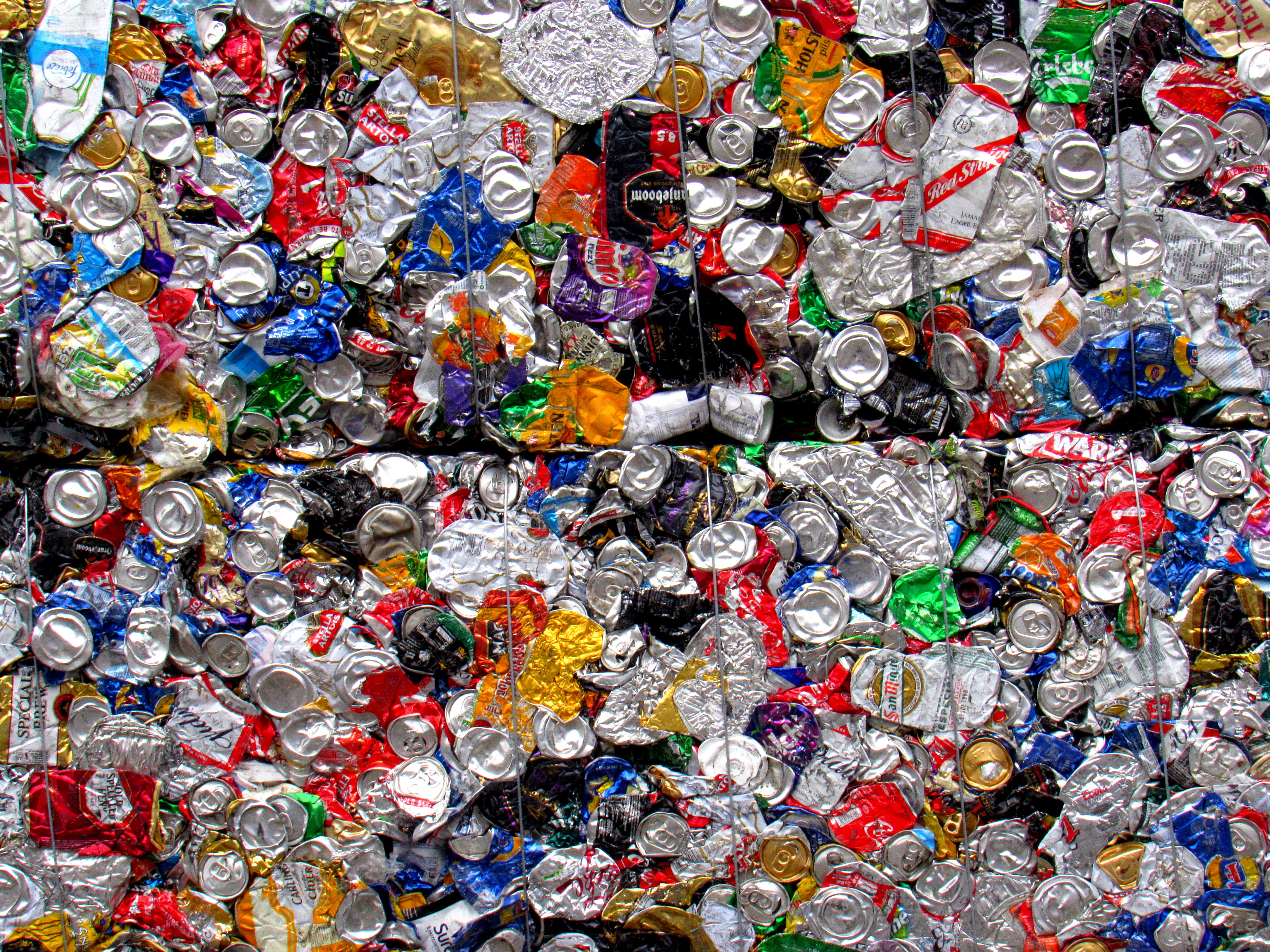
Copper's safety valve is substitution into aluminium. It just opened at a record price ratio — into a metal with 0.06 days of free float and 8% of world smelting bombed. The bill lands on industries that never bought copper.
A carmaker bidding for magnets is competing with wind turbines, and losing to the Pentagon. Two companies' data-centre lines are 26.6% of the entire chip industry. The demand-side census nobody runs.
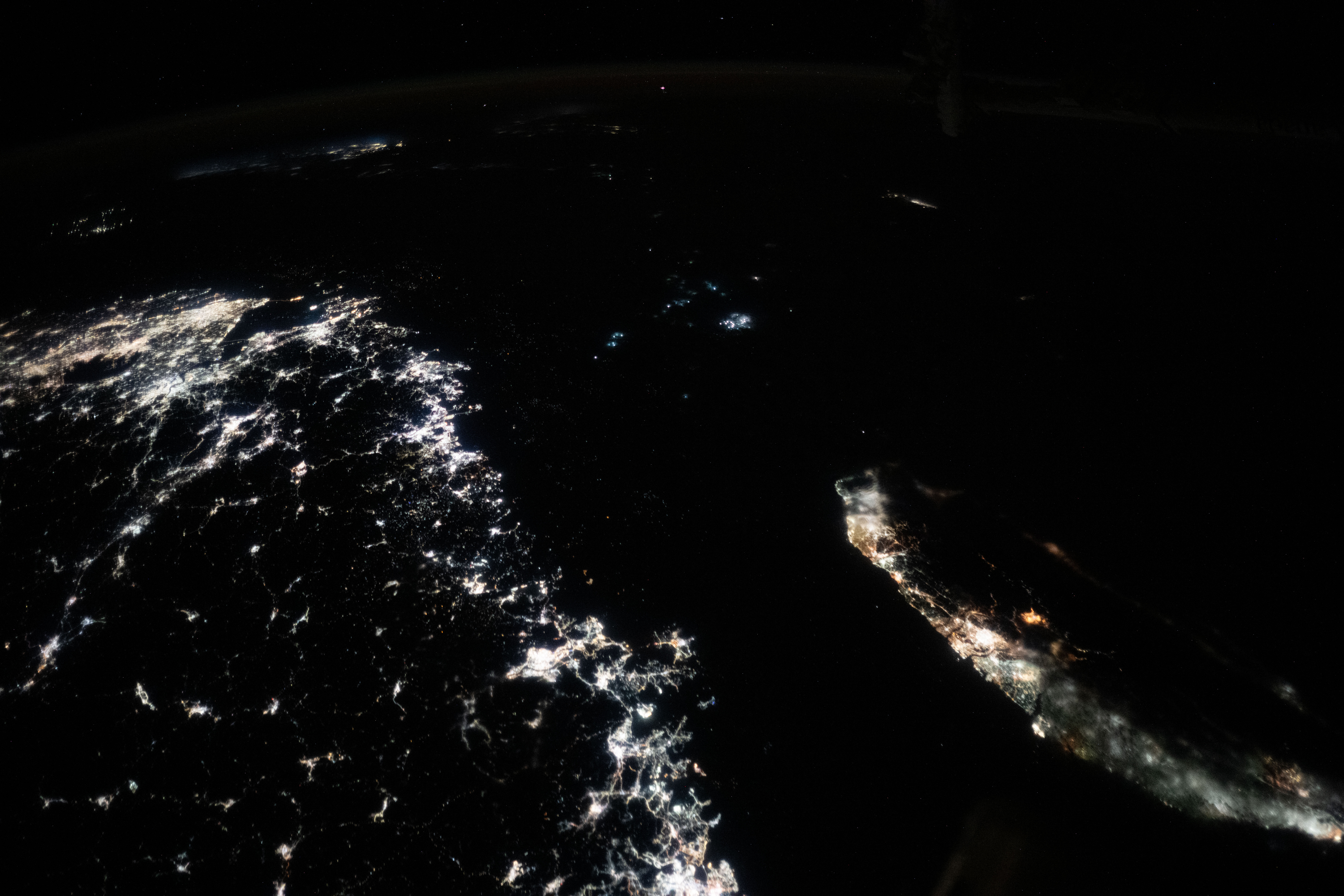
A Taiwan contingency is modelled as a chip shock to the West. On China's own trade data it is a $1.3tn import shock plus a domestic-logistics collapse, because the strait carries Chinese coastal traffic as well.

A $1.51 trillion semiconductor forecast with no source. A 43% share measuring two different things. A steel decline that was a rise. Four of the six were found in our own notes, using nothing but the figures printed beside them.
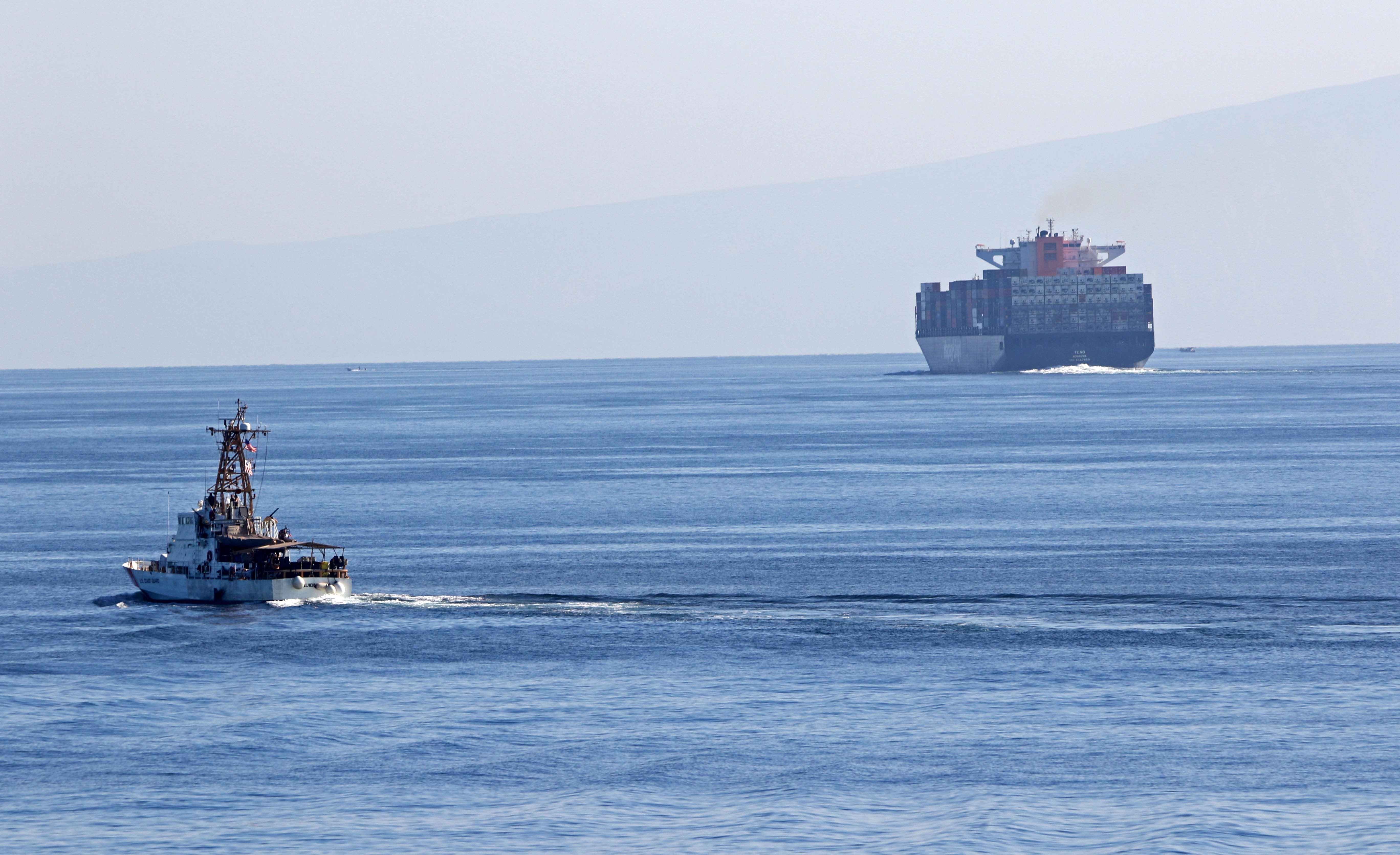
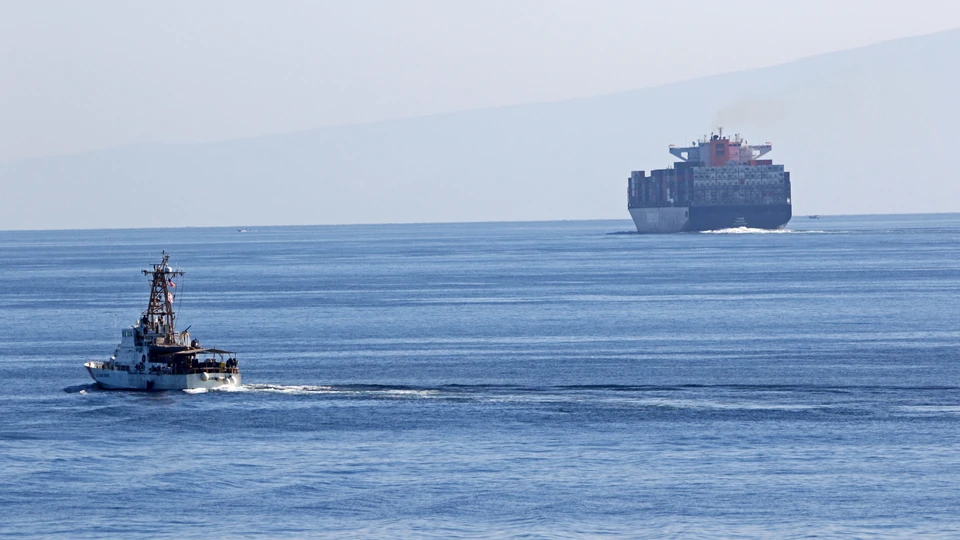
Marine insurers withdrew cover within 48 hours of the February 2026 strikes, and traffic collapsed before a single mine was laid. In the Red Sea, attacks fell 95% and the ships never came back. The premium is the chokepoint.
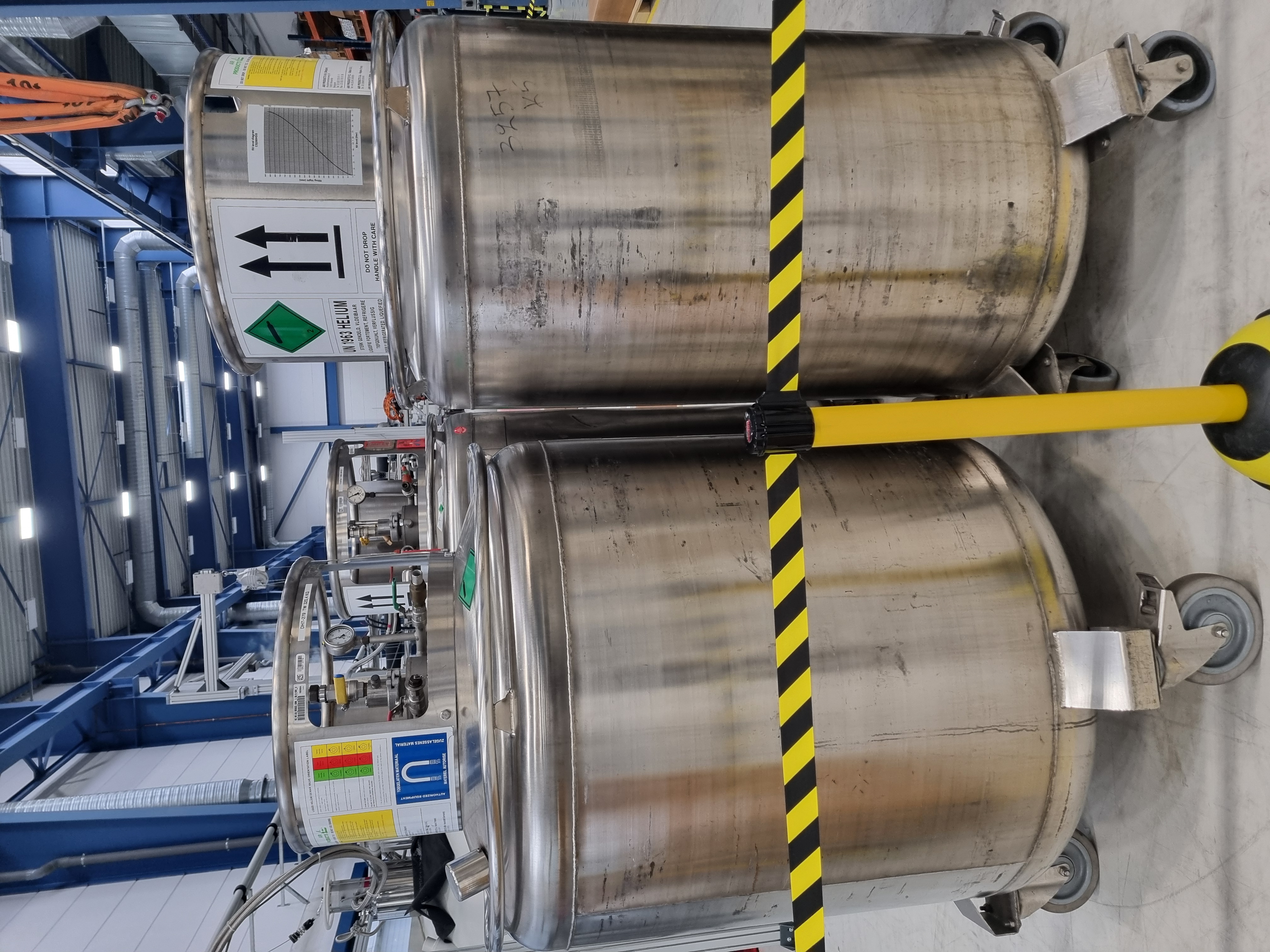
Helium supply is documented to USGS standard. The mechanism deciding whether a hospital or a chip fab gets it is single-sourced — and that mechanism is what sets MRI capacity.
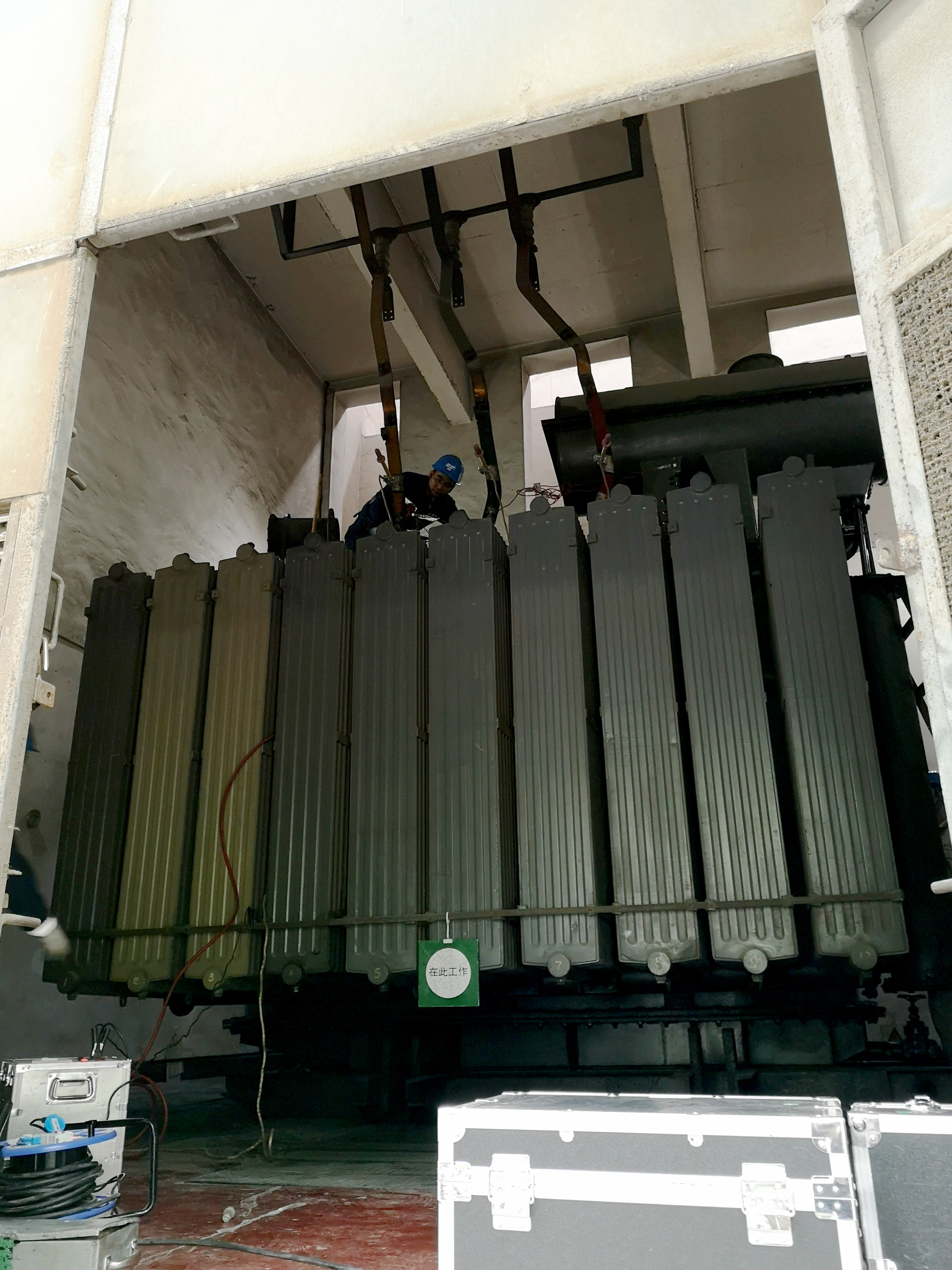
Grid equipment is allocated by slot, not price. Every operator escaping the connection queue lengthens it, and the fix for grid stability competes for the same factories.
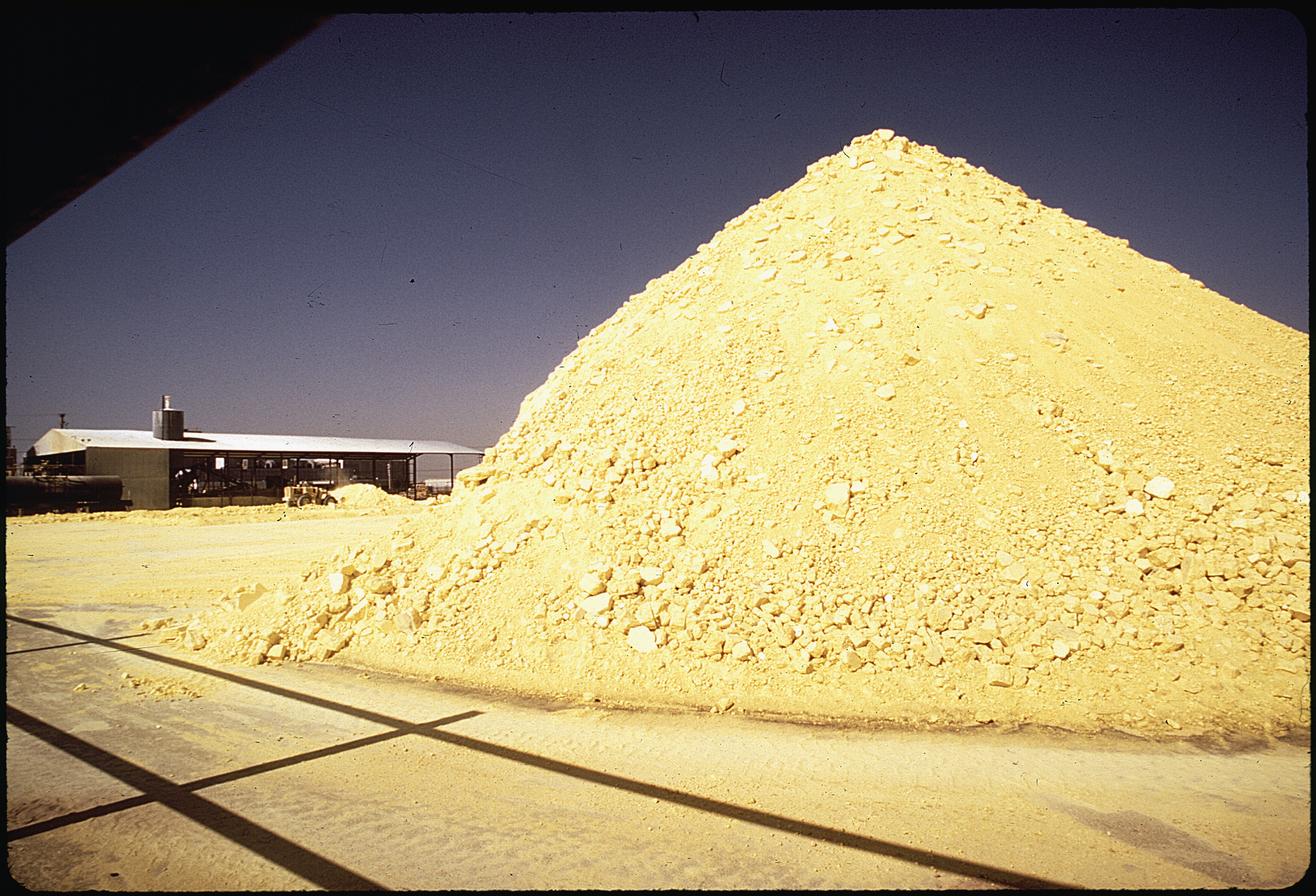
Six months into the Strait of Hormuz closure, the input transmitting the shock to food is sulphur — a waste product nobody can make more of, and fertiliser's irreplaceable feedstock.

China makes 98% of the world's traded rare-earth magnets. The surprise is what happens if it never restricts them again, and why that is the outcome Western producers should fear most.
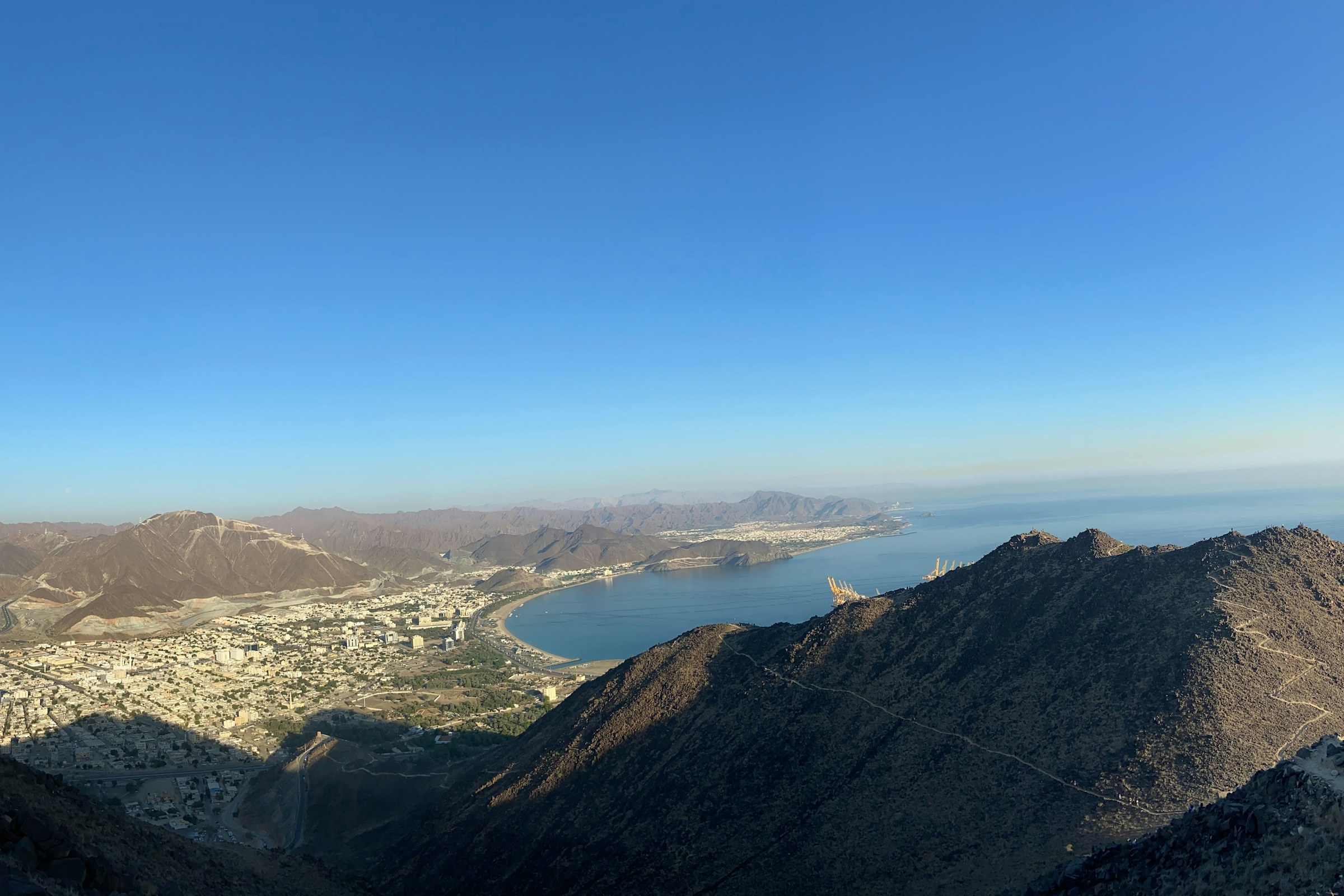
The UAE is the only Gulf exporter that can route crude around a closed Hormuz. Then drones struck Fujairah. Eleven emerging risks to the region's best-hedged economy, ranked by severity.
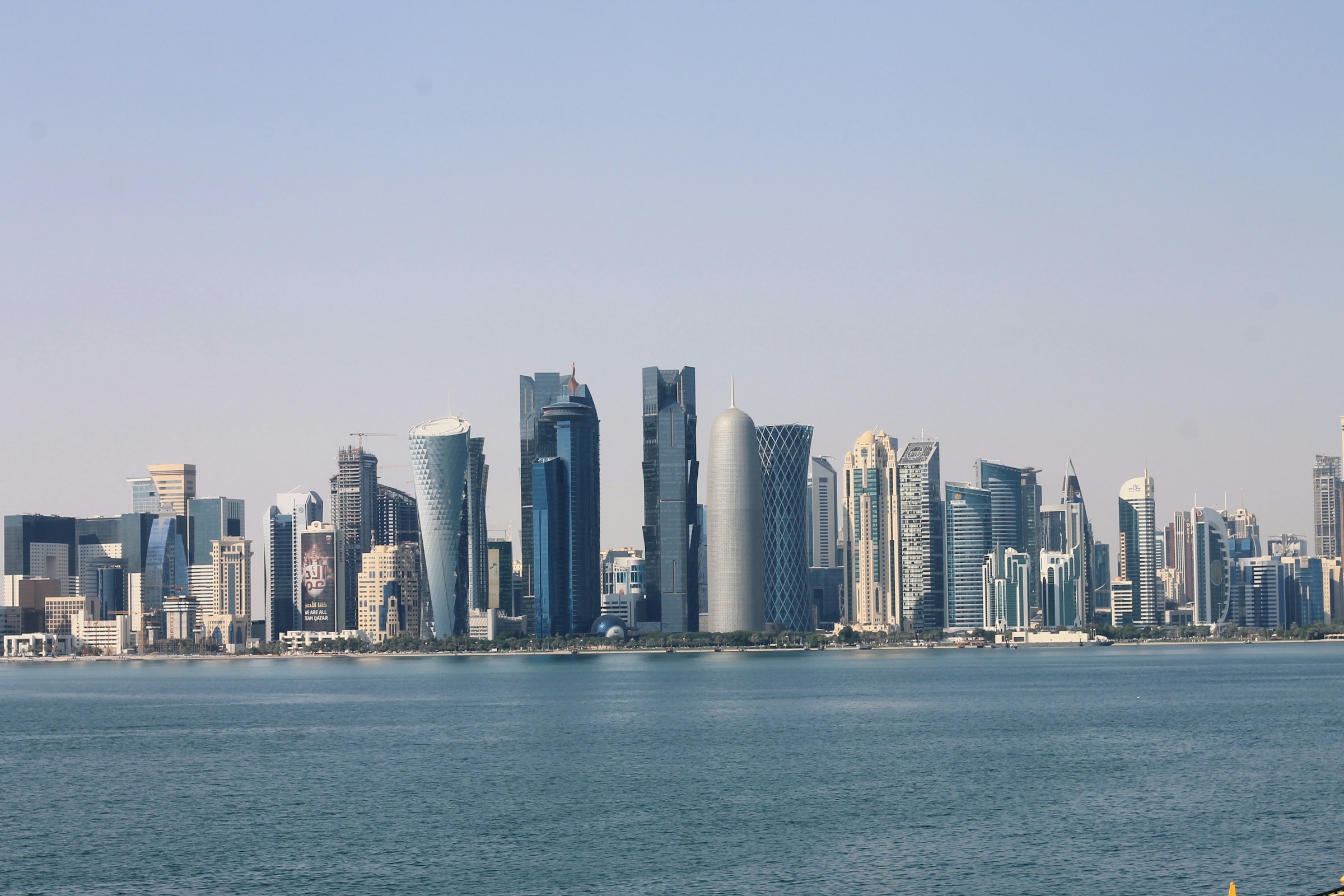
Saudi Arabia routed its crude around a closed Strait of Hormuz. Qatar cannot, because LNG does not travel overland. Ten emerging risks to the strongest balance sheet in the Gulf, ranked by severity.
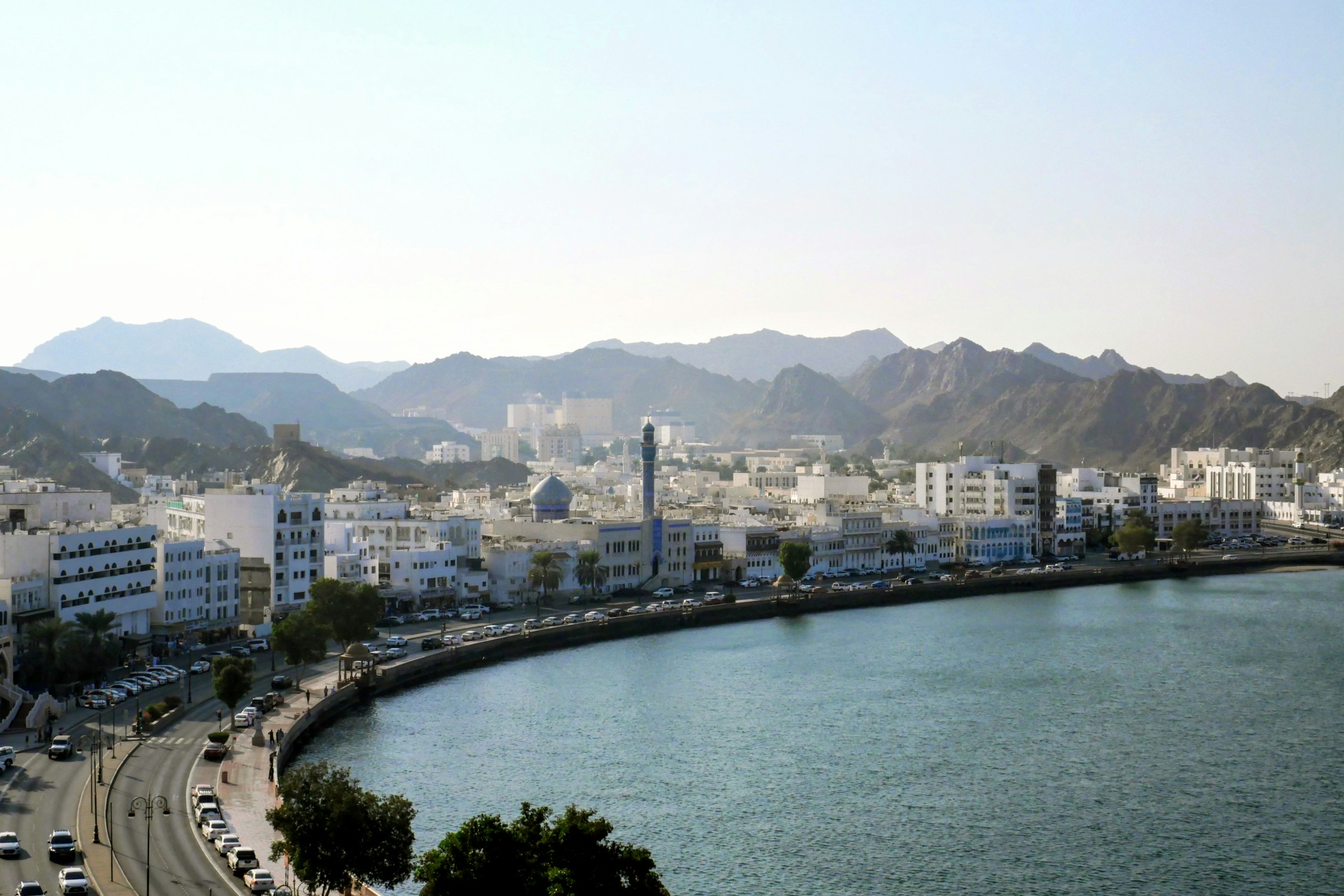
Oman's main ports sit outside the Strait of Hormuz, so it grows while Qatar and Kuwait contract. Ten emerging risks to the GCC's quiet outperformer, ranked — starting with the one its own forecasters disagree about.
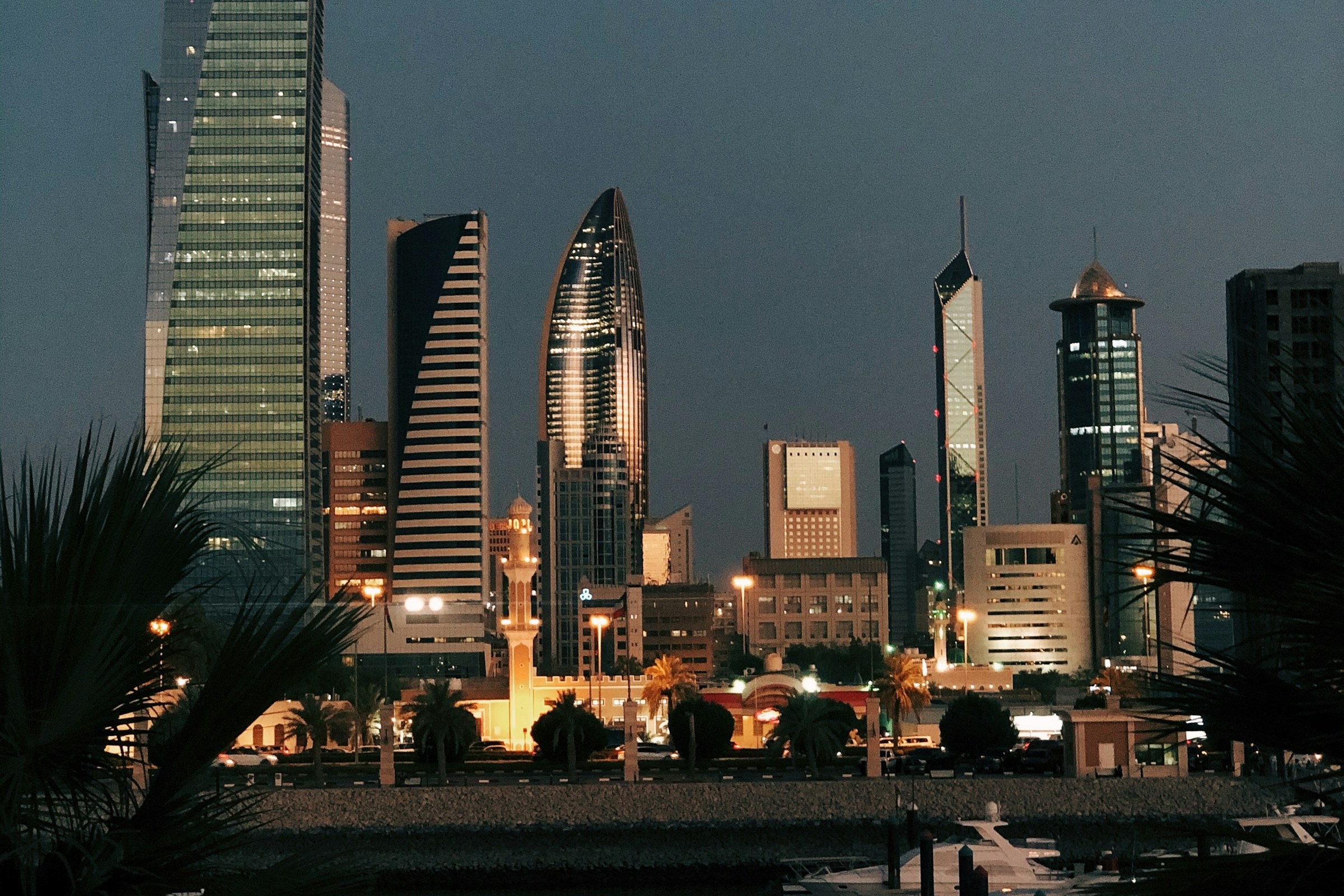
The IMF says Kuwait grows 3.8% this year. The World Bank says it shrinks 6.4%. A third scenario says 13%. Ten emerging risks to the GCC's most oil-dependent economy, ranked by severity.
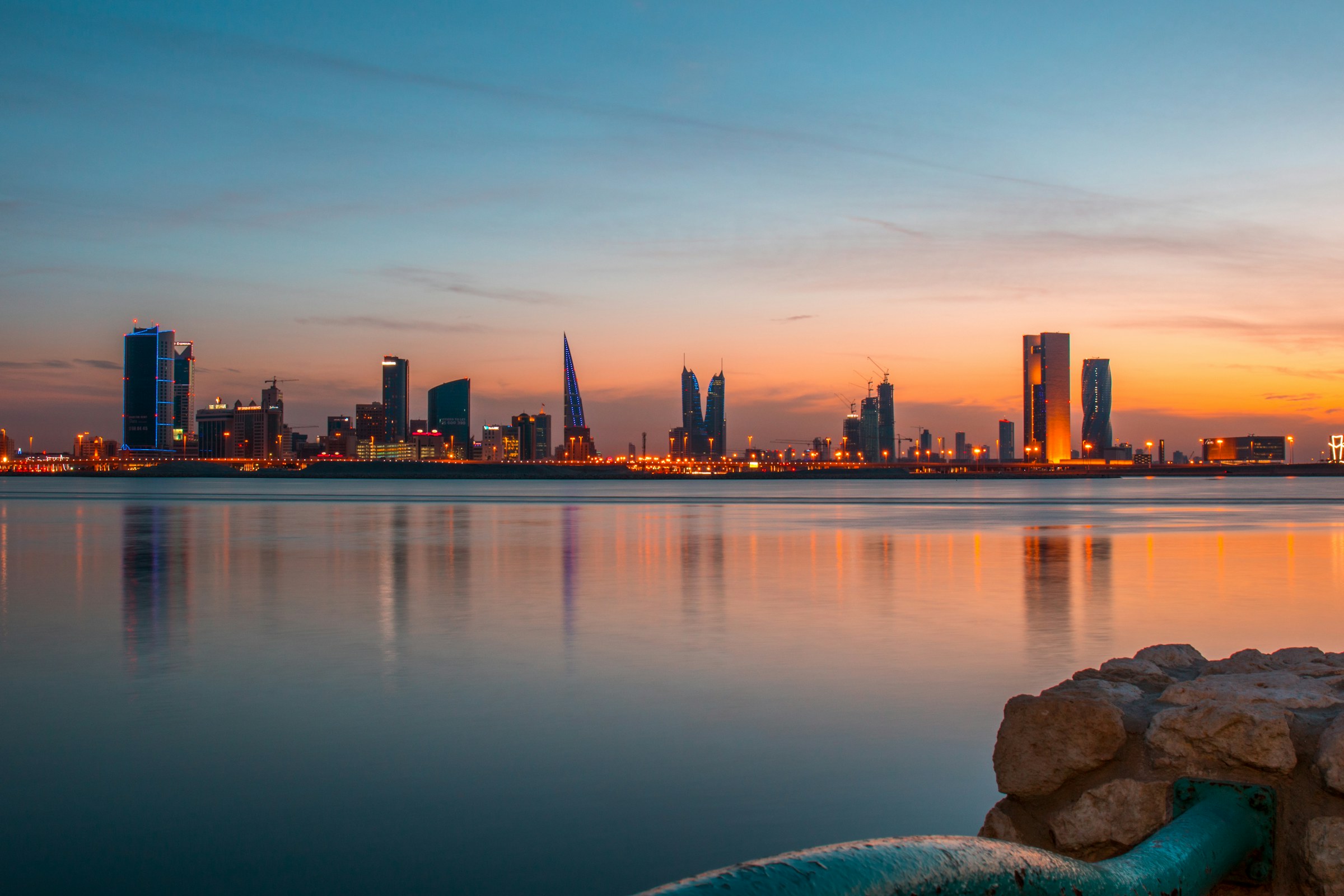
Bahrain needs $130 oil to balance its budget against $70 oil. Debt service takes a third of revenue. It is the most diversified economy in the Gulf and the most exposed. Ten emerging risks, ranked by severity.
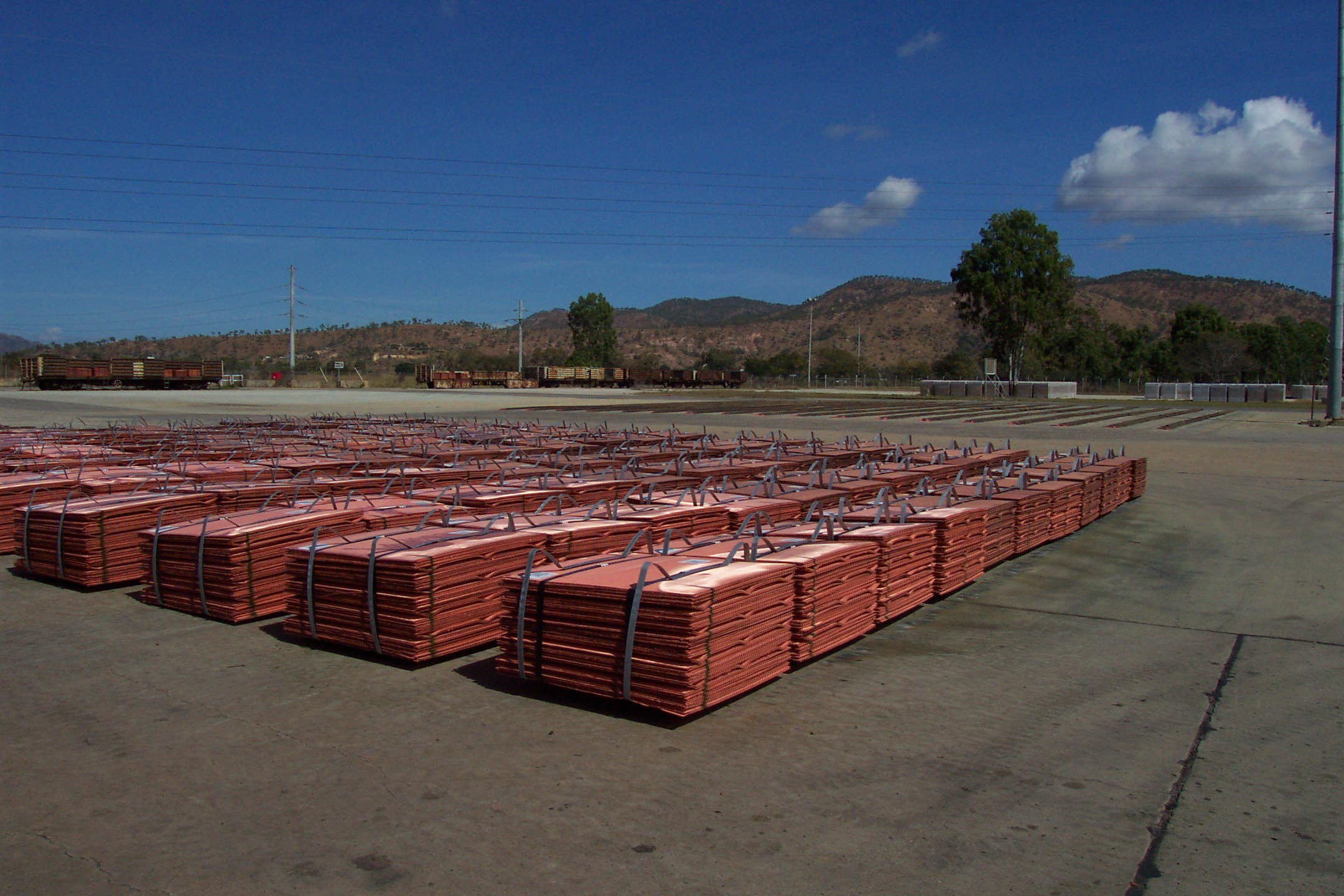
Diversifying copper mines does not diversify the dependency. China's leverage sits downstream of the pit, in refining capacity that no new mine addresses.
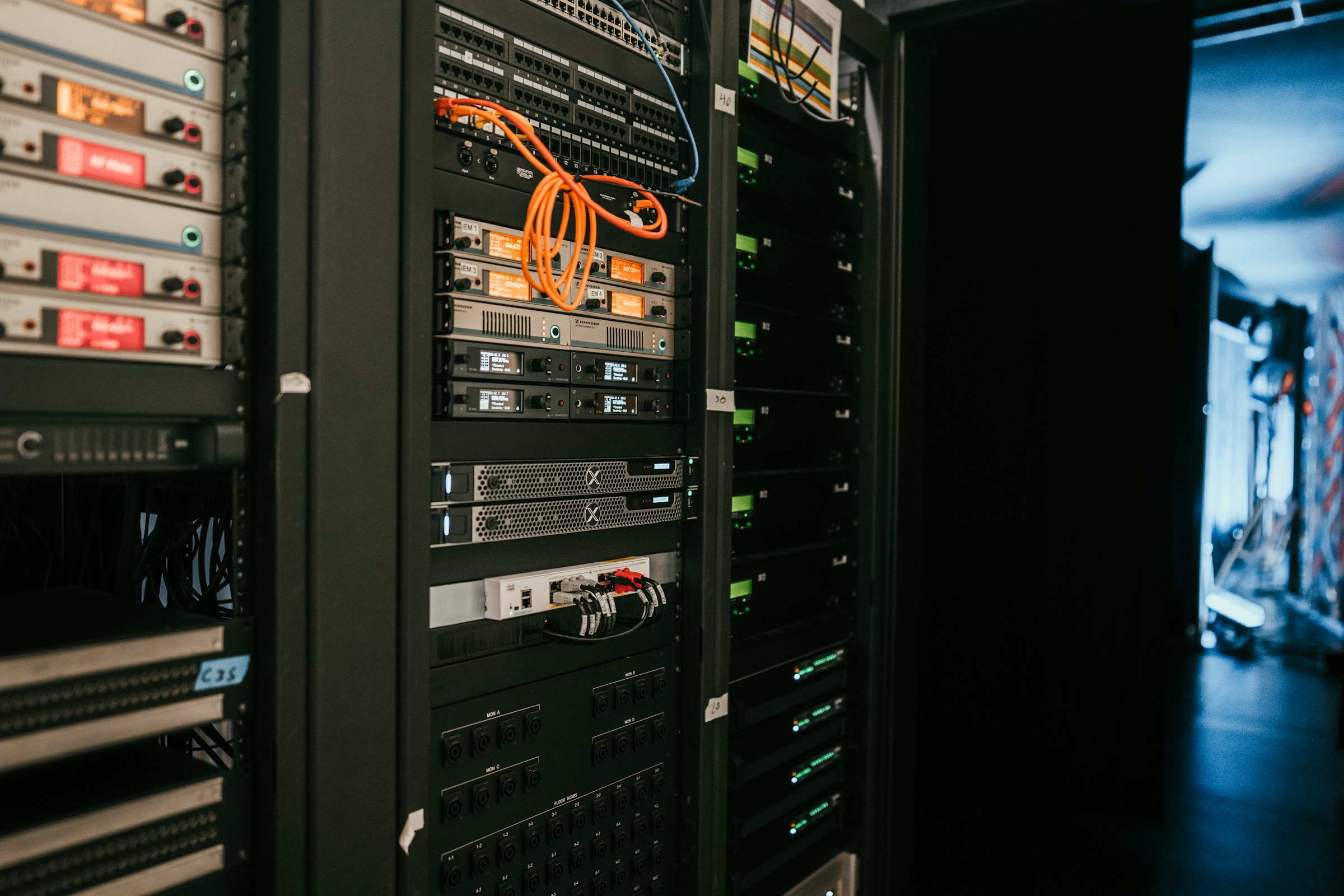
Saudi Arabia has 467 MW of data centre capacity actually running. One company has announced fourteen times that. The binding constraints are export licences and equipment lead times, and both closed before the money arrived.
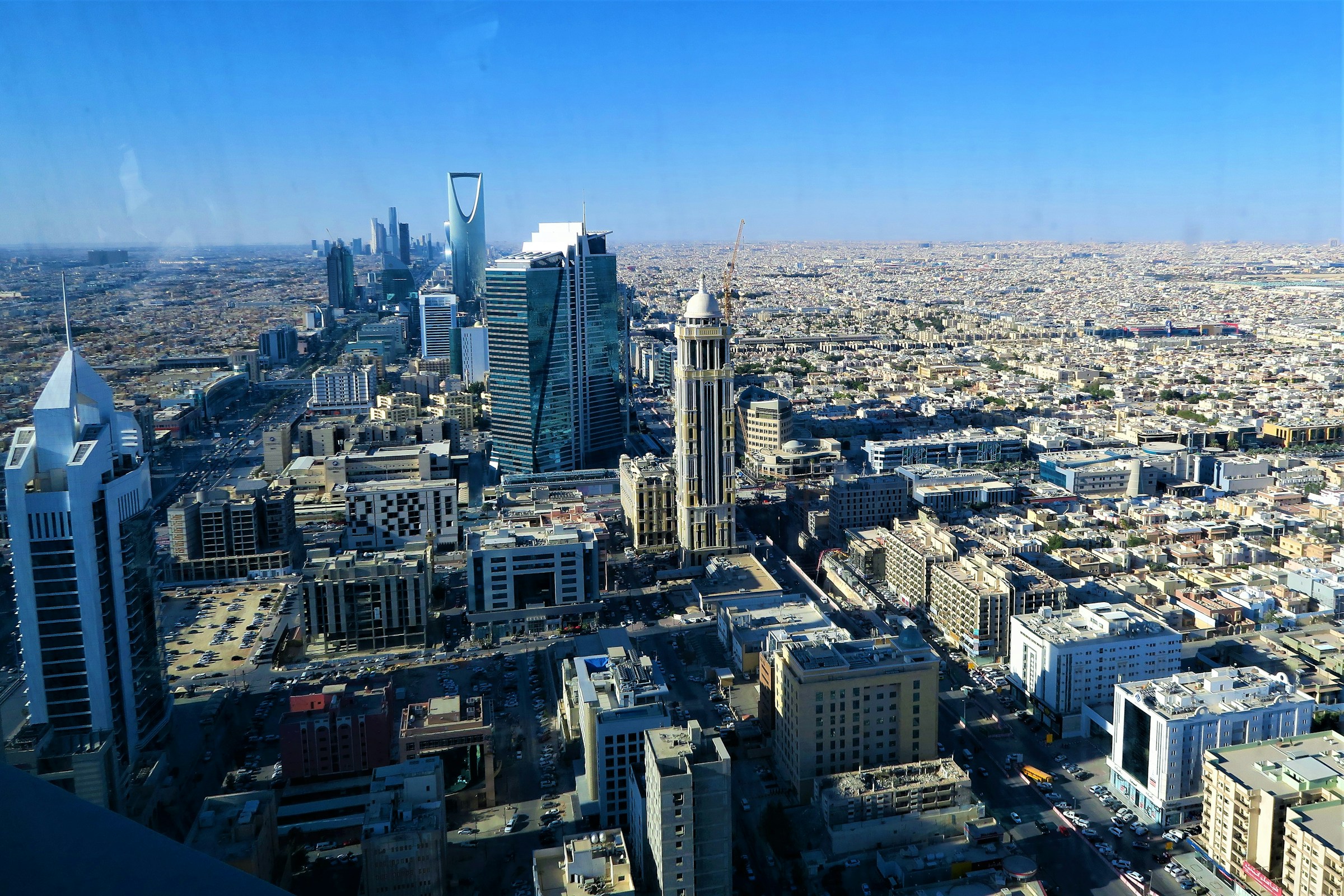
Saudi Arabia's largest Vision 2030 exposures are not the ones with numbers attached, and most of them do not sit on the government's balance sheet. Ten emerging risks, ranked by severity, with who carries each.